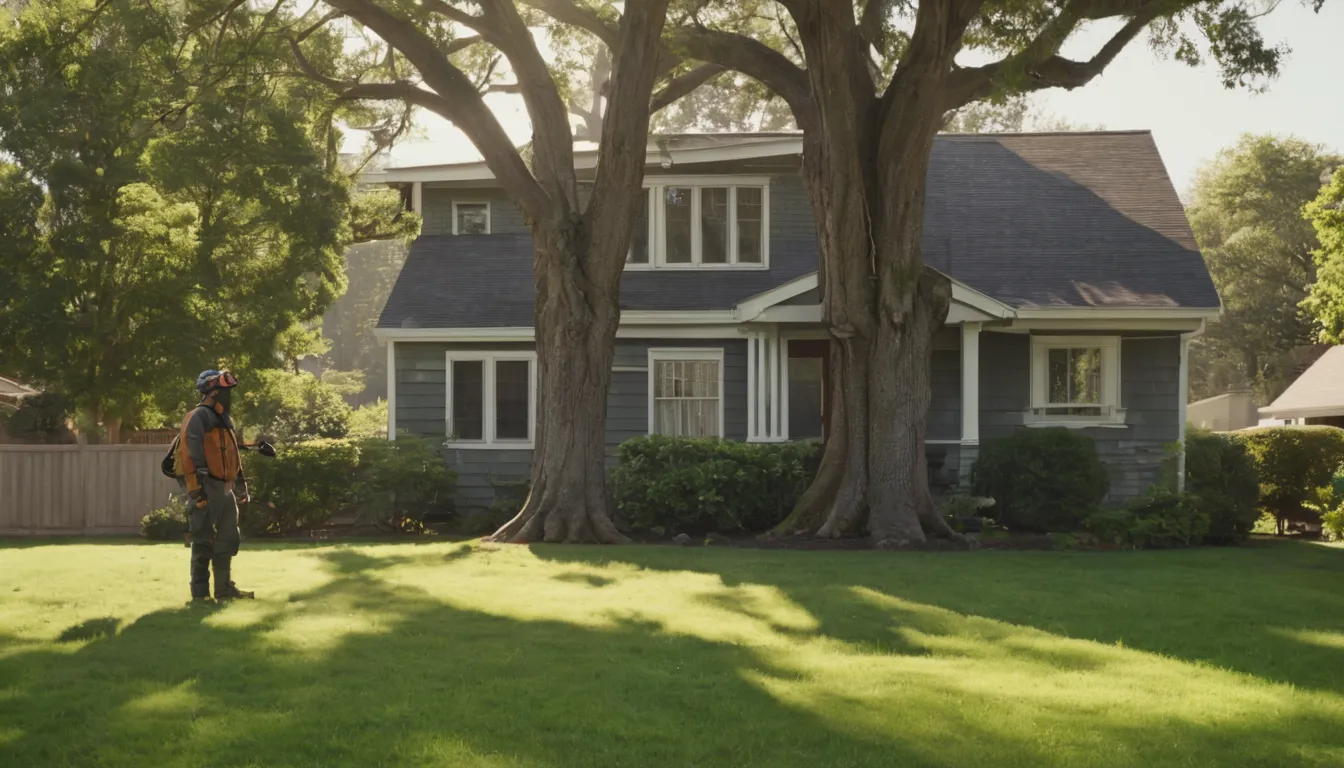
Tree Removal Help for Chicago Homeowners
A tree that is dead, leaning or damaged needs a plan. Thinkshide Tree Service walks you through the options and next steps, then connects you with an independent local provider who can look at the job and give a written quote.
- Compare removal options before you commit
- Learn what happens at each step
- Get matched with a local provider
- Request an estimate
Why Choose Thinkshide Tree Service?
Options before action
You see the choices, from limb removal to full takedown, so you walk into the provider conversation knowing what to ask.
Local providers
Requests go to independent providers who work in the Chicago area, so the people reviewing your tree know the local conditions.
Clear written quotes, no pressure
You are encouraged to get a written quote and compare. There is no obligation to hire anyone.
Older-home care
Notes about aging roofs, past repairs and tight foundations can be passed along so the plan fits your house.
1. Check the Tree
Note leaning, cracks, dead limbs and anything near the house or lines before you reach out.
2. Review Your Options
Decide between pruning, partial removal and full removal, and think about the stump.
3. Request an Estimate
Ask a local provider in the network for a written quote that lists the work.
4. Prepare the Site
Clear vehicles and furniture, set a date with the provider and plan the cleanup.
Thinkshide Tree Service Is Proud To Serve the Chicago area
Need help in Chicago?
Ready to line up a tree job? Send a request through the estimate form, or Request a callback to check provider availability. Share what the tree looks like and where it stands.
No obligationTree removal questions homeowners ask
How do I get a tree removed near me?
Start by noting the tree's size, location and any damage, and take a few photos. Send those details through Thinkshide Tree Service. A local provider in the network can review them, ask follow-up questions, and offer a written estimate. You then decide whether to book the job. There is no obligation.
How much does tree removal cost?
Typical U.S. prices run from a few hundred dollars for a small tree to several thousand for a large or hard-to-reach one. Size, distance to buildings, and damage all change the price. Stump grinding is often extra. Always request a written quote.
Who does the work after I contact you?
An independent local provider does the work. Thinkshide Tree Service is a referral service only. The provider sets the schedule, the method and the price, and it is responsible for the job.
What should I do if a tree falls on my house?
Keep everyone clear and avoid any wires. Then Request a callback to check provider availability for emergency tree removal. Take photos of the damage from a safe distance.
Does homeowners insurance cover tree removal?
Some policies may cover sudden damage from a fallen tree, but coverage varies. Check your policy or ask your insurer. Providers can often help document damage for a claim, which makes the paperwork easier. Trees removed for routine reasons are usually not covered.
Our services
Two kinds of help are available through the network. Planned tree removal covers trees you want gone on your schedule. Emergency tree removal covers trees that have fallen or are about to. Pick the one that fits, or ask a provider which applies.
Tree Removal Help
Get a clear list of options, likely next steps and questions to ask before an independent provider starts work.
Read more about Tree Removal HelpEmergency Tree Removal Services
When a tree comes down or turns dangerous, this page shows your options and the next steps in order.
Read more about Emergency Tree Removal ServicesStart here: a simple plan for tree removal
A tree problem feels big. A short checklist makes it smaller. Here is the order most jobs follow.
1. Look. Note the tree's size, its lean, and what stands within reach: the house, a garage, power lines, a fence. 2. Decide the urgency. A tree resting on a roof is different from a dead tree in the back corner. 3. Pick an option. Full removal, partial removal, or a branch cut-back are not the same job. 4. Get a written quote. Ask the provider what it covers, including cleanup and the stump. 5. Schedule the work. The provider sets the date, the crew and the equipment.
Thinkshide Tree Service is a referral service. We do not cut, climb or haul. We connect you with independent providers in our network who do, and we help you ask better questions before anyone arrives.
If a tree is down or looks about to fall, Request a callback to check provider availability in Chicago.
Not urgent? Use the request form instead. Describe the tree, and a provider can follow up with questions and a quote.
How it works
What Thinkshide Tree Service does
Thinkshide Tree Service is a matching and information service for homeowners in the Chicago area. You tell us about the tree. We pass the request to a local provider in our network. That is the whole job.
What we do not do: we do not perform tree work ourselves, we do not set prices, and we do not do the work. Each provider is an independent business. It decides what it can take on, how it will do it and what it will charge.
The steps, in order
- First: you describe the tree, its location and any damage.
- Next: a provider reviews the details and may ask for photos or a site visit.
- Then: you receive a written estimate and compare it with your own notes.
- Last: you approve the job, the date and the cleanup terms.
You can stop at any step. There is no obligation to hire anyone.
Why options matter
Many homeowners think the only choice is to cut the whole tree. Often there are more:
- Remove the full tree.
- Remove only the dangerous limbs.
- Take the tree down in sections when space is tight.
- Add stump grinding so the yard can be used again.
Each option changes the price, the equipment and the mess left behind. Knowing the list before the visit keeps the conversation useful.
A provider can also tell you when a tree should stay. Not every leaning tree is a threat, and not every dead branch means the whole trunk is gone.
Where providers can help
Thinkshide Tree Service focuses on Chicago and the surrounding communities in the Chicago area. Provider availability differs by street and by season, so the first step is simply to ask.
Here is what local weather tends to mean for trees in this region:
- Cold winters with deep frost. Frozen ground and heavy snow or ice can stress limbs and loosen roots.
- Hot, humid summers. Fast growth, weak branch unions and disease can show up by midsummer.
- Severe thunderstorms and hail. Wind and hail can split trunks, strip bark and drop limbs.
- Spring flooding. Saturated soil can leave a tree leaning or rooted loosely.
Older neighborhoods bring their own questions. Mature trees near frame houses, bungalows and ranch homes may have roots close to old foundations, sewer lines or past repairs. A provider should look at those things before a tree comes down.
Have a particular property in mind? Send the details and a local provider can tell you what they see.
Provider coverage is not the same everywhere. If your address is at the edge of the area, ask early.
What to know before you hire
Check the tree first
Walk around it. Look for dead branches, cracks, mushrooms at the base, raised soil or a new lean. Take photos from a few angles. They help a provider estimate the job before a visit.
Watch what is nearby
List anything the tree could hit. Roofs, sheds, cars and fences matter. So do overhead lines. Tell the provider about all of it.
Extra care for older homes
Older houses may have aging roofing, brittle siding, original gutters or patched foundations. Past repairs can hide weak spots. A tree coming down nearby, or roots pulled up, can disturb them. Mention the age of the house and any known repairs.
Basements and roots
Many homes in this region have full basements with sump pumps. Large roots can sit near drain lines and foundation walls. Ask the provider how they plan to handle roots and the stump.
Storm cleanup
After a storm, a tree may be down but still tangled in wires or resting on the house. Stay clear. Storm tree clearance often needs special equipment and careful sequencing. Emergency tree removal providers handle this kind of work, and some can respond quickly depending on demand.
About stumps
Stump grinding is usually priced separately. Ask whether it is in the quote, how deep the grinding goes, and what happens to the wood chips.
Costs and quotes
In the U.S., tree removal commonly runs from a few hundred dollars to several thousand, depending on size, access and risk. Always get a written quote.
Insurance and paperwork
Some policies may cover sudden damage from a fallen tree. Check your policy. Providers can often help document damage for a claim.
Questions to ask
- What exactly is included in the price?
- Who handles cleanup and hauling?
- What is the plan to protect my roof and yard?
Ask about your tree
Ready for the next step? Send a request with a few details: what the tree looks like, where it stands and whether anything is damaged. A provider in our network can follow up with questions.
If a tree is already down, Request a callback to check provider availability. Hours vary by provider.
You can also email contact@thinkshide.property with photos and a short description.
Request a callback
Ready to line up a tree job? Send a request through the estimate form, or Request a callback to check provider availability. Share what the tree looks like and where it stands.
No obligation